
How High Performers Get So Much Done: Why Some Ditch Smartphones for Dumbphones
Published on January 21, 2026 by Eric Bouchard
Ever notice how some people seem to fit two full days into one? They’re not rushing, they’re not stressed, and they’re definitely not glued to their phones. High performers don’t have more time than you. They just treat time, attention, and energy very differently. Here’s what they actually do.

They treat time like their most valuable asset
High performers are extremely intentional with their time. They know every “yes” is also a “no” to something else. That mindset alone changes how they plan their days.
They don’t drift into the day hoping it goes well. They decide in advance what matters most and protect time for it. Meetings are purposeful or declined. Busywork is minimized. Multitasking is avoided because it quietly destroys focus.
Time is not something they fill. It’s something they invest.

They don’t doomscroll
This one is big.
High performers understand that attention is fragile. Endless scrolling, constant notifications, and dopamine hits from social apps chip away at their ability to focus deeply.
Many of them take these steps: notifications turned off by default, social media limited or deleted, phones kept out of reach during work and some even switch to dumbphones.
A dumbphone removes temptation entirely. No feeds. No endless alerts. No accidental 30 minute detours. Just calls, texts, and peace of mind.
This is exactly why we are building a dumbphone.
Not because technology is bad, but because constant distraction is. When your phone stops competing for your attention, your mind finally gets the space to think, plan, and execute.

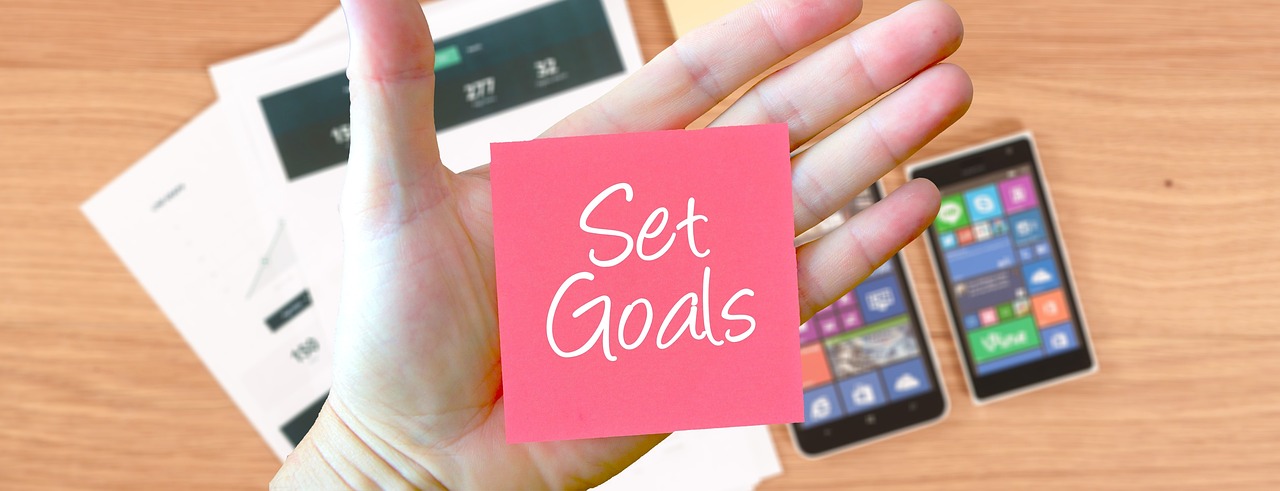
They set clear goals and know what “winning” looks like
High performers are not vague about what they want.
They define clear goals and break them down into concrete outcomes. They know what needs to be done this year, this month, this week, and today.
Instead of saying “I need to work more,” they say: finish the proposal by Thursday, train four times this week, spend one uninterrupted evening with family.
Clarity removes friction. When you know exactly what matters, decision making becomes easier and faster.
They time box their work
Rather than working endlessly, high performers work in focused blocks.
They assign specific amounts of time to specific tasks. Ninety minutes of deep work. Thirty minutes of email. One hour for planning. When the time is up, they move on.
Time boxing creates urgency without stress. It prevents perfectionism and stops tasks from expanding to fill the entire day.
This is how they get more done in less time without burning out.
They train their bodies to sharpen their minds
High performers take their physical health seriously because they understand the connection.
Regular exercise improves focus, mood, memory, and resilience. It reduces anxiety and increases energy. This is not optional for them. It’s part of the system.
They don’t wait until they feel motivated. They schedule workouts like meetings. Even short sessions matter because consistency compounds.
A strong body supports a sharp mind.

They protect their energy, not just their schedule
Sleep is non negotiable. Nutrition matters. Alcohol is often limited. Late nights are chosen carefully, not casually.
High performers understand that productivity is not about squeezing more hours out of the day. It’s about showing up with full energy when it counts.
Burnout is seen as a failure of strategy, not a badge of honor.
They make time for relationships
This might surprise people, but high performers are not isolated grinders.
They prioritize time with friends, family, and people they care about. Strong relationships provide emotional stability, perspective, and joy. All of which fuel long term success.
They schedule social time just like work time. Because they know life success without meaningful relationships is empty.
They surround themselves with people who want to win
Environment matters more than willpower.
High performers intentionally surround themselves with people who are disciplined, optimistic, and growth oriented. Not because they’re perfect, but because they’re trying.
Being around people who value improvement raises your own standards naturally. Conversations become more constructive. Excuses become harder to justify.
You rise to the level of your environment.

They maintain a positive but realistic mindset
High performers are not blindly positive. They are grounded.
They focus on what they can control. They take responsibility. They see setbacks as feedback, not failure.
When things go wrong, they ask: What can I learn? What can I adjust? What’s the next best move?
This mindset keeps them moving forward instead of stuck in frustration or self doubt.
Why fewer distractions change everything
At the center of all these habits is one thing: focus. Focus allows effort to compound. It allows skills to deepen. It allows goals to turn into results. That’s why removing distractions is one of the fastest ways to perform better. A dumbphone is not about going backward. It’s about reclaiming control. When your phone stops hijacking your attention, you get your life back. Your work improves. Your relationships deepen. Your mind feels clearer. High performers don’t do more things. They do fewer things better. And it all starts with choosing what deserves your attention.
At Bouchard Industries, we advocate for mindful technology use. We belive Dumbphones are the solution to this problem.
Checkout our The Basic Phone on Kickstarter!


About the Author
Eric Bouchard is the founder of Bouchard Industries. He specializes in technology, productivity, and digital wellness, helping individuals and organizations adopt mindful tech practices to improve mental health, focus, and overall performance.