
Smartphone Usage and Mental Health: How Dumbphones May Help
Published on September 17, 2025 by Eric Bouchard
Smartphones are among the most transformative inventions of the modern era. They offer connectivity, entertainment, and productivity tools that fit in our pockets. Yet, their ubiquity comes at a cost. Research increasingly points to the negative consequences of smartphone overuse on mental health, including anxiety, stress, poor sleep, emotional instability, and a decline in focus and productivity. Understanding these effects and adopting conscious strategies to mitigate them can help regain control over our attention, emotions, and overall well-being.
1. Anxiety and Constant Connectivity
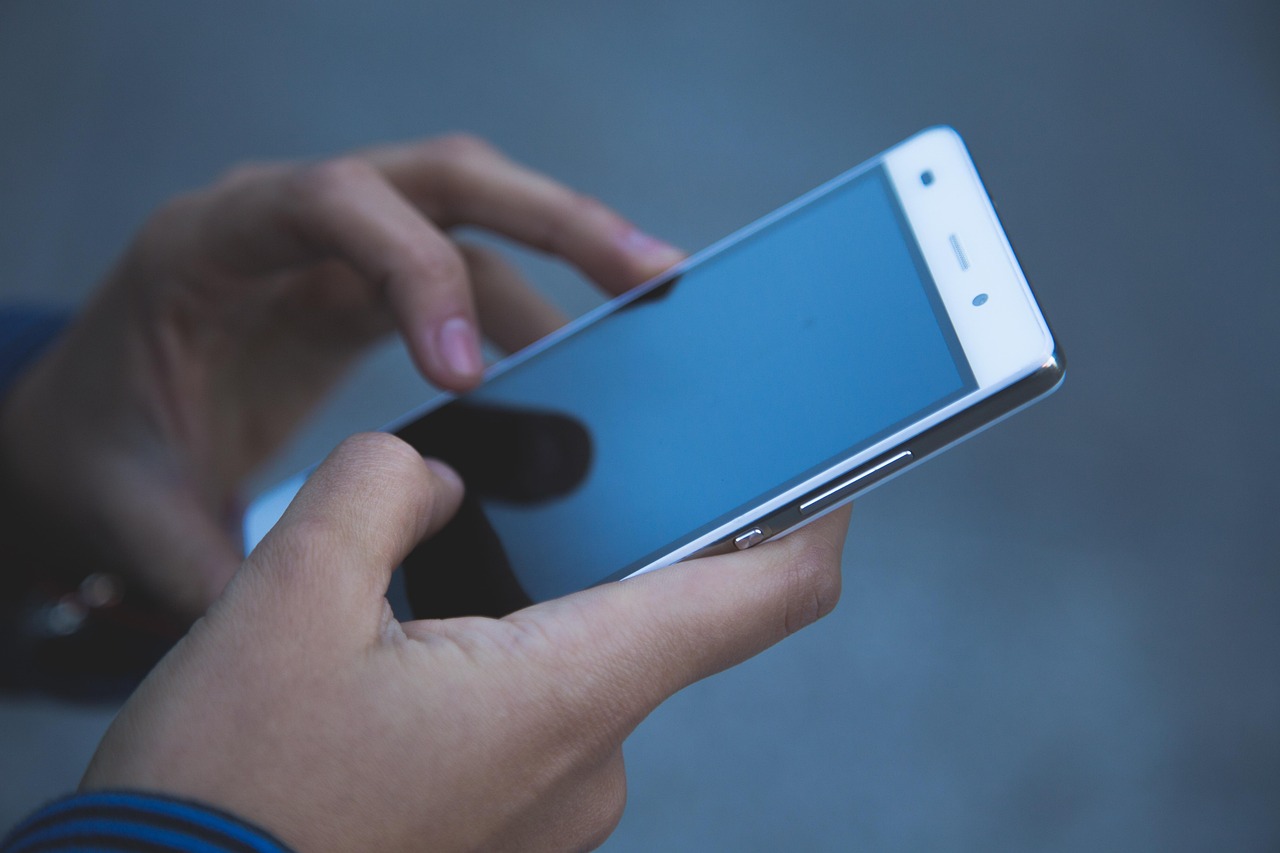
Smartphones keep our brains in a state of continuous alertness. Each ping, vibration, or notification triggers an almost involuntary check. Experts call this “notification anxiety,” a heightened state of stress caused by the need to respond quickly to messages and updates.
Studies have shown that heavy smartphone users have higher cortisol levels throughout the day, indicating chronic stress. Even short periods of being offline can feel uncomfortable, reinforcing a cycle of compulsive checking. Over time, this constant digital stimulation can lead to chronic anxiety, tension headaches, and reduced capacity to relax or focus on important tasks.
For example, a study by the University of Pennsylvania in 2020 found that reducing social media use to 30 minutes per day led to significant reductions in anxiety and depressive symptoms over three weeks. The takeaway is clear: conscious limits on connectivity are essential for mental health.
Signs of Notification Anxiety
- Feeling compelled to check your phone even during meals or conversations.
- An inability to concentrate without immediate responses to notifications.
- Physical symptoms like tension, headaches, or sleep disturbances linked to phone use.
2. Social Comparison and Mental Health
Social media platforms encourage comparison with curated portrayals of others’ lives. This comparison can negatively impact self-esteem and increase feelings of inadequacy, jealousy, or depression. Continuous exposure to seemingly perfect lives can make users feel they are “falling behind,” even if their own life is successful.
The dopamine-driven feedback loop of likes, shares, and comments exacerbates this. Users feel emotionally rewarded for engagement but may experience lows when their posts receive less attention. Over time, this cycle can create dependence and emotional volatility, contributing to chronic stress and depressive moods.
Practical strategies to reduce social comparison include muting certain feeds, taking scheduled social media breaks, and focusing on meaningful offline interactions.
3. Sleep Disruption
Late-night smartphone use is a major contributor to poor sleep quality. The blue light emitted from screens suppresses melatonin production, making it harder to fall asleep and disrupting circadian rhythms. Nighttime scrolling reduces total sleep duration and can increase the likelihood of insomnia.
Sleep deprivation from smartphone overuse leads to irritability, cognitive decline, and diminished problem-solving skills. Chronic sleep loss can exacerbate anxiety, depression, and stress. Experts recommend no-screen periods at least 30-60 minutes before bed and using night modes or blue light filters if device use is unavoidable.

Tips for Improving Sleep
- Establish a consistent sleep schedule and phone-free bedtime routine.
- Keep phones out of the bedroom or at least away from the bedside.
- Engage in relaxing activities like reading or meditation before bed.
- Consider using a dumbphone or basic device in the evening to reduce stimulation.
4. Attention Fragmentation and Cognitive Overload
Smartphones encourage constant multitasking. Switching rapidly between apps, notifications, and messages increases cognitive load and fragments attention. Users often find it difficult to focus on deep work, study, or even simple tasks like reading a book without frequent interruption.
Studies show that heavy multitasking decreases working memory and executive function. Over time, this contributes to mental fatigue, frustration, and reduced productivity. Awareness of this effect can motivate users to implement focused work periods with minimal digital interruptions.

5. Emotional Regulation Challenges
Exposure to fast-paced, emotionally charged content can impair emotional regulation. Social media debates, news alerts, and app notifications can provoke stress, anger, or sadness. Users may feel compelled to react immediately, often impulsively, increasing emotional volatility.
Practicing mindfulness and limiting exposure to negative content helps regulate emotions. Apps or strategies that schedule phone-free periods allow the brain to recover and process emotions naturally, reducing susceptibility to stress and impulsive reactions.
6. Practical Strategies for Mindful Smartphone Use
There are several actionable steps to mitigate the negative effects of smartphone overuse:
- Set daily screen time limits for apps and total usage.
- Turn off non-essential notifications.
- Designate phone-free periods during meals, work, and before bedtime.
- Engage in offline hobbies like reading, exercise, or creative projects.
- Keep a journal to track patterns of overuse and emotional triggers.
- Practice mindfulness or meditation to strengthen focus and emotional resilience.
7. Dumbphones for Better Mental Health
Dumbphones, or basic mobile devices, are a practical alternative for those looking to reduce smartphone dependency. By restricting functions to calling and texting only, dumbphones eliminate the endless streams of notifications, social media, and apps that contribute to anxiety, sleep disruption, and attention fragmentation.
Many users report a marked improvement in their mental well-being when switching to a dumbphone. Benefits include:
- Lower stress and anxiety from fewer notifications.
- Improved sleep quality due to reduced blue light exposure.
- Better focus and productivity as attention is no longer constantly fragmented.
- Increased presence in social and offline activities.
At Bouchard Industries, we advocate for mindful technology use. We belive Dumbphones are the solution to this problem.
8. Real-Life Case Studies
Several individuals have demonstrated the benefits of reducing smartphone usage:
- Case 1: A marketing professional reduced daily social media usage from 3 hours to 30 minutes, reporting lower anxiety and increased productivity within two weeks.
- Case 2: A college student used a dumbphone during exam season, experiencing improved focus and quality of sleep, resulting in higher test performance.
- Case 3: A remote worker implemented phone-free windows during work hours, noting fewer distractions, reduced stress, and more meaningful interactions with family and colleagues.
9. Finding Balance in a Digital World
The ultimate goal is balance. Smartphones are invaluable, but their misuse can harm mental health. By combining strategies like mindful use, scheduled breaks, and the potential adoption of a dumbphone, individuals can enjoy connectivity without compromising well-being.
Reclaiming control over attention, sleep, and emotional health is achievable. Start small, experiment with limits, and observe the positive effects on mood, productivity, and overall mental clarity.
Conscious digital habits are key to thriving in an always-connected world. Mindful use of technology allows us to benefit from smartphones without succumbing to their psychological toll.
10. Building Solutions for a Healthier Digital Life
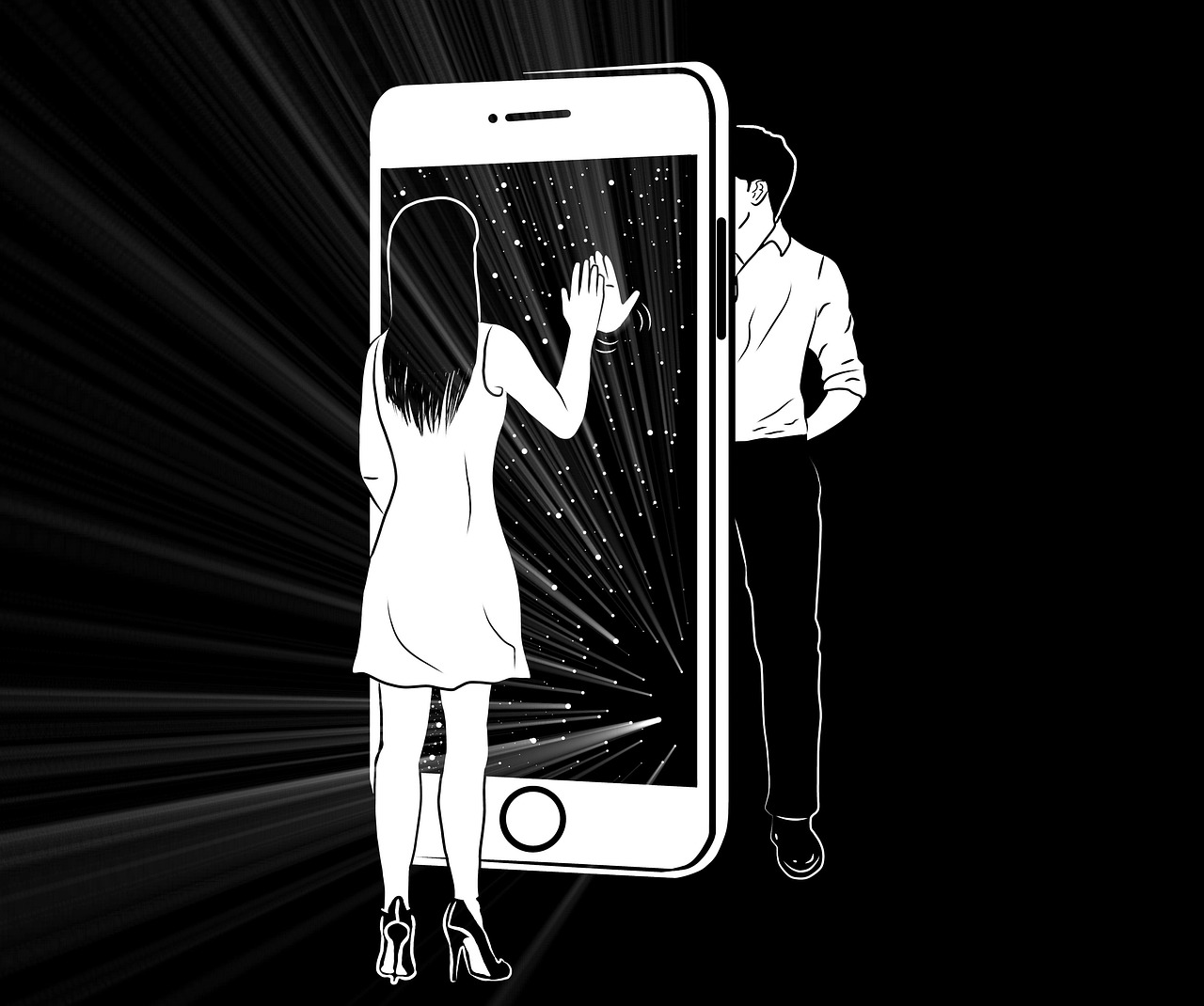
At Bouchard Industries, our mission goes beyond raising awareness about the mental health impacts of smartphones. We are actively creating solutions. We are developing a thoughtfully designed dumbphone to help individuals reclaim focus, reduce stress, improve sleep, and foster real-life connections.
This device is built with the goal of simplifying communication while removing distractions, allowing users to live more intentional and balanced lives. By focusing on improving people’s lives through mindful technology, we aim to offer tools that empower healthier habits in an increasingly connected world.
Learn more about our dumbphone and how it can support your well-being by visiting Bouchard Industries Dumbphone.

About the Author
Eric Bouchard is the founder of Bouchard Industries. He specializes in technology, productivity, and digital wellness, helping individuals and organizations adopt mindful tech practices to improve mental health, focus, and overall performance.